Keynote speakers
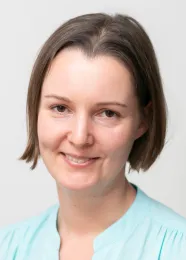
HELENA KILPINEN
Helena Kilpinen is a tenure-track associate professor in human genetics and genomic medicine at the University of Helsinki, in the Helsinki Institute of Life Science (HiLIFE) and the Faculty of Medicine, and group leader at the Institute for Molecular Medicine Finland (FIMM) and the HiLIFE Neuroscience Center. She is interested in cellular genetics and the cellular basis of developmental and other brain-related disorders. In her research group, they use human induced pluripotent stem cells (iPSC) as models, and combine computational and experimental methods to study how genetic variation causes variability in cell phenotypes and contributes to differential susceptibility to diseases, both common and rare.
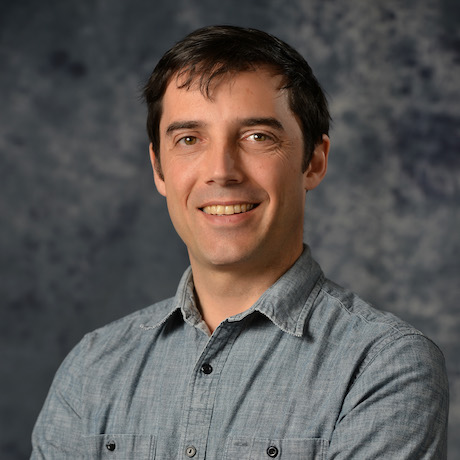
LEVI WALDRON
Levi Waldron is Professor of Epidemiology and Biostatistics at the City University of New York, where he leads a research program in cancer genomics and in metagenomic profiling of the human microbiome, develops methods within the intersection of statistical analysis and computation, and works to develop an inclusive community of researchers and students around open-source bioinformatics software and methods. His research group aims to generate new insights into human health, disease, and treatment through improved tools and novel analysis of publicly available data. He is an active contributor to the Bioconductor project and member of its Technical Advisory Board.
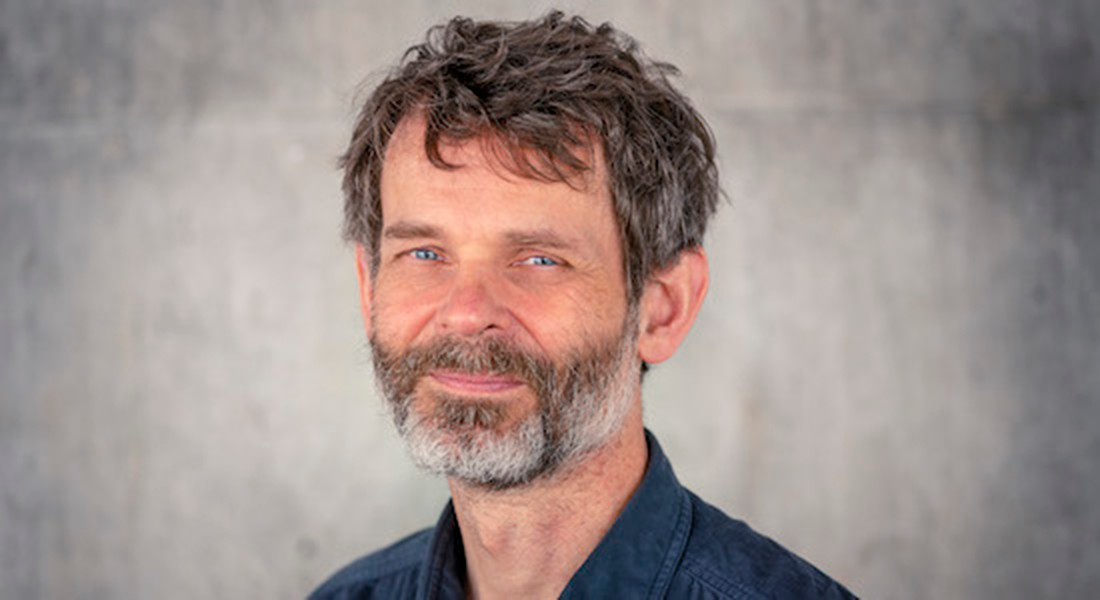
ANDERS KROGH
Anders Krogh is professor in the Department of Computer Science and the head of the Center for Health Data Science (HeaDS) in the Faculty of Health and Medical Sciences at the University of Copenhagen. He has worked in many areas of bioinformatics and machine learning, both with theory and applications, particularly on hidden Markov models for biological sequences. In recent years, he has focused on deep generative models and applied them to gene expression data and other bio/medical data.
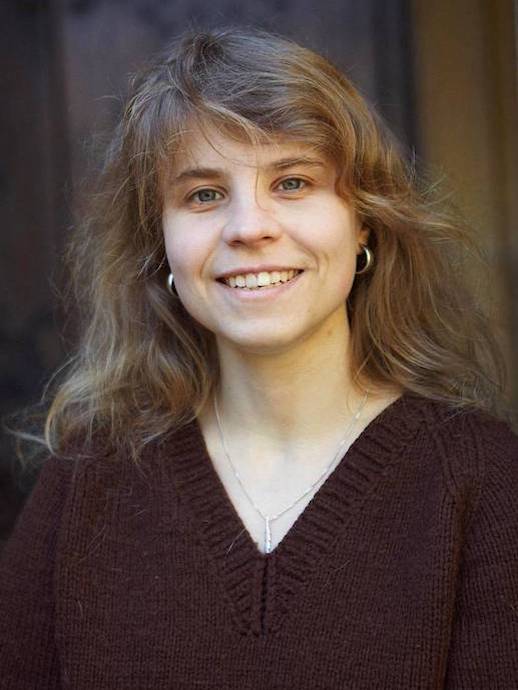
AURA RAULO
Aura Raulo is a microbial ecologist and a network scientist based at the University of Oxford, where their research focuses on patterns of spread in ecological and social systems. They are particularly interested in probabilistic and network-based approaches for studying microbial transmission processes in contact networks. In their work, Raulo develops and applies statistical and probabilistic models to investigate how sets of entities—such as microbial communities—spread through populations via social interactions and other forms of contact between hosts. A central focus of their research is the gut microbiome, viewed as a complex internal ecosystem that can be socially transmitted between individuals. By combining contact network data with models that account for dependency and shared structure among interacting individuals, their research reveals how patterns of contact influence the sharing, diversity, and accumulation of microbiomes across host individuals. Through this work, they aim to uncover which types of social interactions and network positions facilitate healthymicrobiome transmission while minimising the spread of disease-causing microbes, and ultimately to advances general modelling frameworks applicable to a wide range of complex spreading processes, from microbes to information.
Helena Kilpinen
Helena Kilpinen is a tenure-track associate professor in human genetics and genomic medicine at the University of Helsinki, in the Helsinki Institute of Life Science (HiLIFE) and the Faculty of Medicine, and group leader at the Institute for Molecular Medicine Finland (FIMM) and the HiLIFE Neuroscience Center. She is interested in cellular genetics and the cellular basis of developmental and other brain-related disorders. In her research group, they use human induced pluripotent stem cells (iPSC) as models, and combine computational and experimental methods to study how genetic variation causes variability in cell phenotypes and contributes to differential susceptibility to diseases, both common and rare.
Levi Waldron
Levi Waldron is Professor of Epidemiology and Biostatistics at the City University of New York, where he leads a research program in cancer genomics and in metagenomic profiling of the human microbiome, develops methods within the intersection of statistical analysis and computation, and works to develop an inclusive community of researchers and students around open-source bioinformatics software and methods. His research group aims to generate new insights into human health, disease, and treatment through improved tools and novel analysis of publicly available data. He is an active contributor to the Bioconductor project and member of its Technical Advisory Board.
Anders Krogh
Anders Krogh is professor in the Department of Computer Science and the head of the Center for Health Data Science (HeaDS) in the Faculty of Health and Medical Sciences at the University of Copenhagen. He has worked in many areas of bioinformatics and machine learning, both with theory and applications, particularly on hidden Markov models for biological sequences. In recent years, he has focused on deep generative models and applied them to gene expression data and other bio/medical data.
Aura Raulo
Aura Raulo is a microbial ecologist and a network scientist based at the University of Oxford, where their research focuses on patterns of spread in ecological and social systems. They are particularly interested in probabilistic and network-based approaches for studying microbial transmission processes in contact networks. In their work, Raulo develops and applies statistical and probabilistic models to investigate how sets of entities—such as microbial communities—spread through populations via social interactions and other forms of contact between hosts. A central focus of their research is the gut microbiome, viewed as a complex internal ecosystem that can be socially transmitted between individuals. By combining contact network data with models that account for dependency and shared structure among interacting individuals, their research reveals how patterns of contact influence the sharing, diversity, and accumulation of microbiomes across host individuals. Through this work, they aim to uncover which types of social interactions and network positions facilitate healthymicrobiome transmission while minimising the spread of disease-causing microbes, and ultimately to advances general modelling frameworks applicable to a wide range of complex spreading processes, from microbes to information.